Considering nutrition counseling in Canton, Ohio? See what sessions include, who it fits, and how to book your free consultation.
Continue reading
Considering nutrition counseling in Canton, Ohio? See what sessions include, who it fits, and how to book your free consultation.
Continue reading
When it comes to eating healthy, the term “macronutrients” often gets thrown around—but what exactly does it mean? Macronutrients, or “macros,” are the foundation of your diet. They provide the energy and nutrients your body needs to function, grow, and repair itself. Whether your goal is to lose weight, gain muscle, or feel more energized throughout the day, understanding macronutrients is the first step toward success.
In this guide, we’ll dive into the three essential macronutrients—protein, fats, and carbohydrates. You’ll learn what they do, why they’re important, and how to balance them for your unique health goals.
Macronutrients are nutrients that your body requires in large amounts to produce energy and support overall health. They’re called “macro” because they’re consumed in grams rather than milligrams (like micronutrients such as vitamins and minerals).
The three main macronutrients are:
Each macronutrient plays a unique role in the body and provides a specific amount of energy:
Understanding how these macronutrients work together is key to building a balanced and nutritious diet.
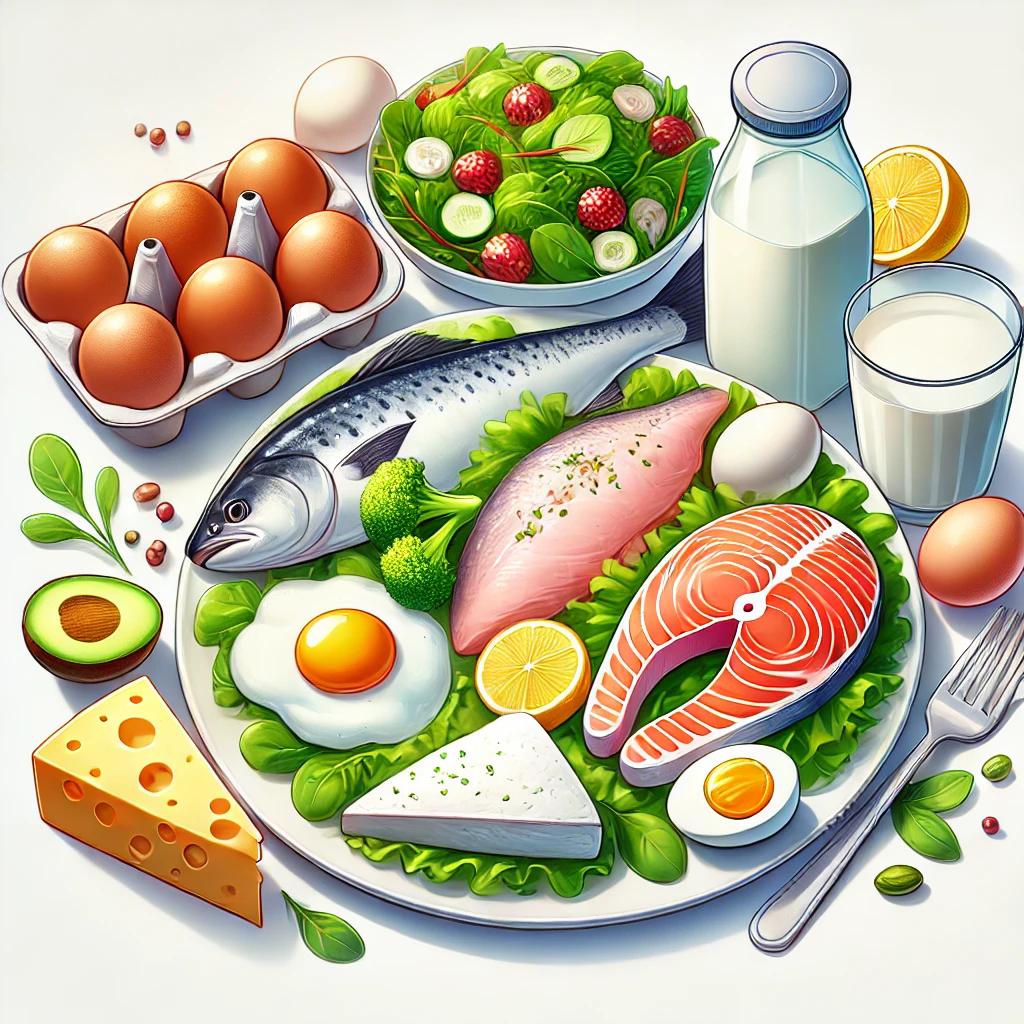
Balancing macronutrients is about finding the right ratio for your body’s needs. This ratio depends on factors like age, activity level, and health goals. Here are some common approaches:
Pro Tip: Use apps like MyFitnessPal or Cronometer to track your macronutrient intake and adjust ratios as needed.
Macronutrients are the building blocks of every diet, and understanding them is key to achieving your health and fitness goals. By incorporating the right balance of protein, fats, and carbohydrates, you can fuel your body effectively and feel your best every day.
Want to learn more about balanced nutrition? Full Scale Fitness offers personal training and Lunch and Learn sessions to help you dive deeper into topics like macronutrients and healthy eating. Contact us today to take the first step toward a healthier lifestyle!

When it comes to heart health, triglycerides and cholesterol are two terms that often come up—but what do they really mean? While both are fats found in your blood, they play very different roles in your body. Understanding these differences is the first step toward protecting your heart and maintaining a healthy lifestyle.
In this article, we’ll break down the basics of triglycerides and cholesterol, explain why they matter, and share practical tips for keeping your levels in check.
Triglycerides are a type of fat (lipid) found in your blood. When you eat, your body converts excess calories it doesn’t need immediately into triglycerides. These triglycerides are stored in fat cells and released later for energy between meals.
Normal vs. High Levels:
High triglyceride levels, often caused by overeating, inactivity, or high sugar intake, are linked to an increased risk of heart disease and metabolic disorders.
Cholesterol is a waxy, fat-like substance that your body needs to build cells and produce hormones. Unlike triglycerides, cholesterol isn’t burned for energy but is vital for bodily functions.
Types of Cholesterol:
Normal Cholesterol Levels:
Triglycerides and cholesterol are both transported through the bloodstream by lipoproteins. While they serve different purposes, elevated levels of both contribute to plaque buildup in arteries, increasing the risk of heart disease, stroke, and other cardiovascular issues. Managing both is crucial for heart health.
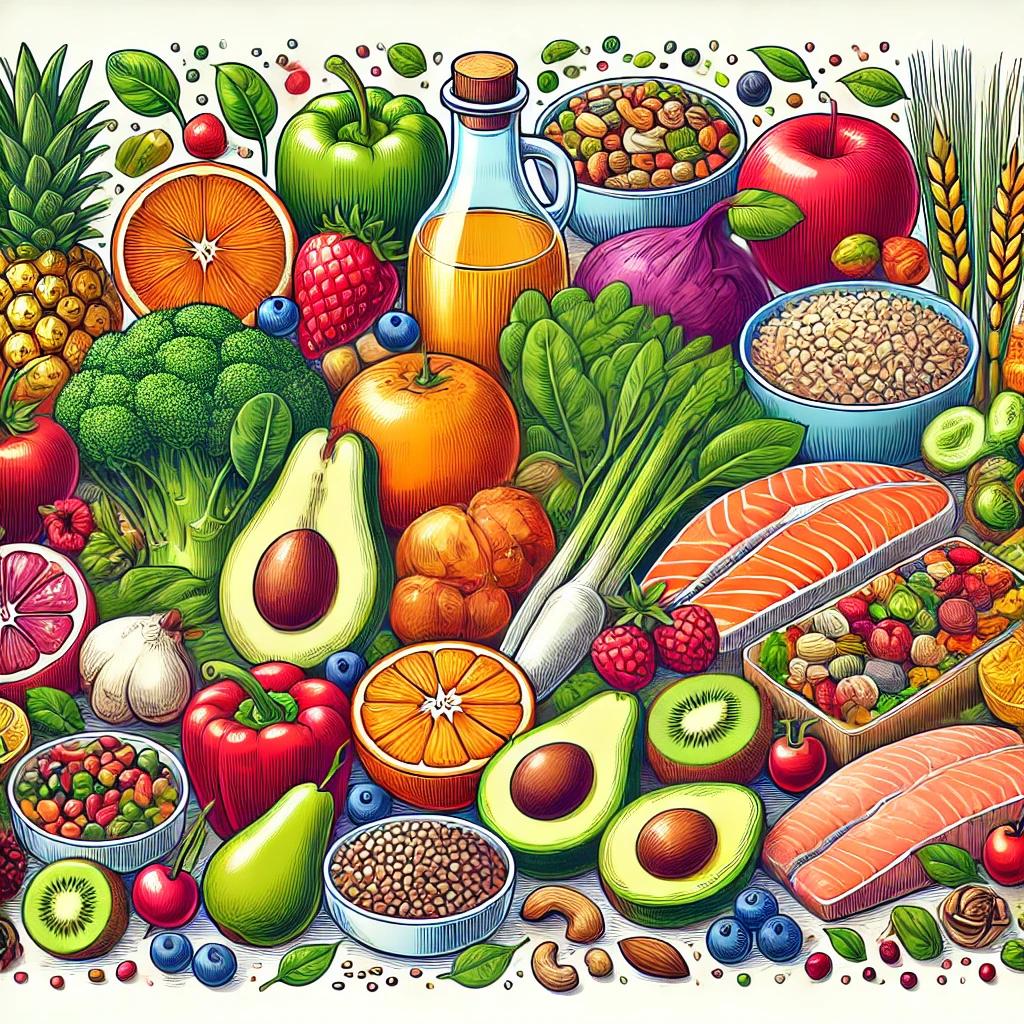
1. Diet Tips:
2. Exercise Recommendations:
3. Regular Testing:
Understanding triglycerides and cholesterol is key to maintaining heart health. While both are necessary for your body’s functioning, imbalances can lead to serious health risks. By adopting a heart-healthy diet, staying active, and monitoring your levels, you can take charge of your well-being.
Take the first step today! Speak with a healthcare provider to learn more about your triglyceride and cholesterol levels, and discover what small changes you can make for a healthier future.
Looking to educate your team about heart health and other wellness topics? Full Scale Fitness offers engaging Lunch and Learn sessions with expert trainers and dietitians who can bring actionable insights directly to your workplace. Contact us today to schedule a session and empower your team with the knowledge they need to thrive!

In today’s fast-paced world, staying active can feel like a challenge. After meals, many of us are tempted to sit back and relax, but what if one simple habit could significantly improve your health? Walking after eating is an easy, accessible activity with a host of surprising benefits, from aiding digestion to boosting mood. Whether you’re looking to maintain steady energy levels or take a proactive approach to your health, incorporating a short post-meal walk can make a big difference.
Let’s explore the science-backed reasons why walking after eating should become part of your daily routine.
1. Improves Digestion
Walking after eating stimulates the digestive system and helps food move efficiently through the gastrointestinal tract. A study published in the Journal of Gastrointestinal and Liver Diseases demonstrated that light postprandial exercise improves gastric emptying, reducing bloating and discomfort.
Read the study
2. Regulates Blood Sugar Levels
Research shows that a brief post-meal walk can help regulate blood sugar levels, preventing sharp spikes. A study in Diabetologia found that walking for just 10 minutes after a meal significantly lowers blood glucose levels in individuals with type 2 diabetes.
Read the study
3. Supports Weight Management
Engaging in physical activity after eating contributes to calorie burning and weight management. According to the International Journal of General Medicine, walking right after a meal helps burn more calories compared to walking later.
Read the study
4. Reduces Heartburn and Acid Reflux
Walking post-meal can alleviate symptoms of acid reflux and heartburn by encouraging the movement of food through the digestive tract. A study in Clinical Gastroenterology and Hepatology supports the benefits of light physical activity in reducing GERD symptoms, suggesting that a short walk can be an effective natural remedy.
Read the study
5. Boosts Mood and Energy
Exercise, even light walking, releases endorphins that improve mood and boost energy levels. The Mayo Clinic highlights the mental health benefits of walking, including reduced stress and improved overall mood.
Learn more
Incorporating post-meal walks into your routine is easier than you might think. Start small: aim for a 10-minute stroll after each meal. You can:
Walking after eating isn’t just a habit—it’s a powerful tool for better health. From improving digestion to stabilizing blood sugar levels, the benefits of this simple activity are backed by science. Whether you’re looking to stay active, manage your weight, or boost your energy, a short post-meal stroll is an excellent place to start.
So why wait? Lace up your shoes and take the first step toward a healthier, happier you. Your body (and mind) will thank you! If you’re looking for a walking partner, consider hiring one of our personal trainers or let us come in for a group walk with one of our corporate wellness classes!