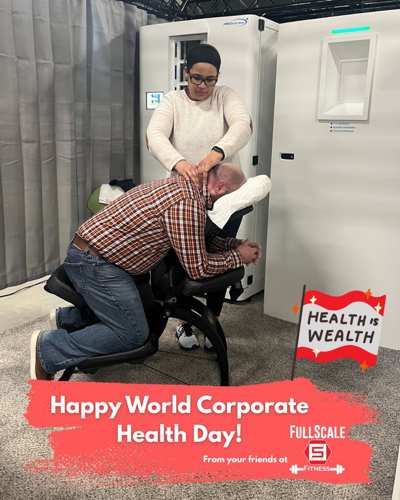

If you’re an Akron or Canton employer weighing whether to invest in employee health, the first question is usually about corporate wellness ROI — does a program actually pay for itself, or is it a line item that just feels good? The short answer: when a program is built around real participation instead of a one-time perk, the return shows up in fewer sick days, lower turnover, and measurably lower healthcare spend. Here’s what the numbers actually say, what a realistic program costs, and how to know if yours is working.
What Corporate Wellness ROI Actually Looks Like
Corporate wellness ROI isn’t a single number — it depends on how a program is designed and how long it runs. Meta-analyses of wellness programs have found returns around $4.18 in value for every dollar spent, and a well-documented Harvard case study reported $6 in combined savings — split between lower medical claims and fewer absentee-related costs — for every dollar invested. Among companies that formally measure their program’s return, the overwhelming majority, 95%, report a positive number, not a break-even or a loss.
The CDC’s Workplace Health Promotion program points to the same pattern: organizations that build coordinated, ongoing health initiatives see lower healthcare costs, reduced absenteeism, stronger productivity, and better retention. None of this happens from a single health fair. It happens when movement, nutrition support, and stress management become part of how a team works.
Where the Savings Actually Show Up
Three buckets tend to account for most of the return. Healthcare costs drop as employees who move regularly and manage stress file fewer high-cost claims over time. Absenteeism falls, too — companies with comprehensive wellness initiatives report meaningfully fewer sick days, with some studies putting the reduction as high as 25%. Productivity and retention improve as well: employees who feel physically better and know their employer invests in them are more engaged, and turnover — one of the most expensive line items for any small business — drops.
None of these show up in month one. Wellness program ROI is a three-to-five-year curve, not a quarterly metric, which is exactly why it should be budgeted like a long-term investment, not a perk.
What a Program Actually Costs vs. What It Returns
For a company with 20 to 150 employees, a realistic corporate wellness program doesn’t mean an on-site gym or a benefits overhaul. It usually means a recurring cadence: a weekly or biweekly on-site training session, an occasional lunch-and-learn on nutrition, and a health assessment employees can opt into once or twice a year. Priced this way, most Akron and Canton employers land in a modest monthly range — far below what a single serious workers’ comp claim or a resignation-and-rehire cycle costs.
The ROI math only works, though, if the program is actually used. A binder of wellness resources nobody opens returns nothing. A recurring, in-person program that becomes part of the week is what shows up in the numbers above.
What This Looks Like for Akron & Canton Businesses
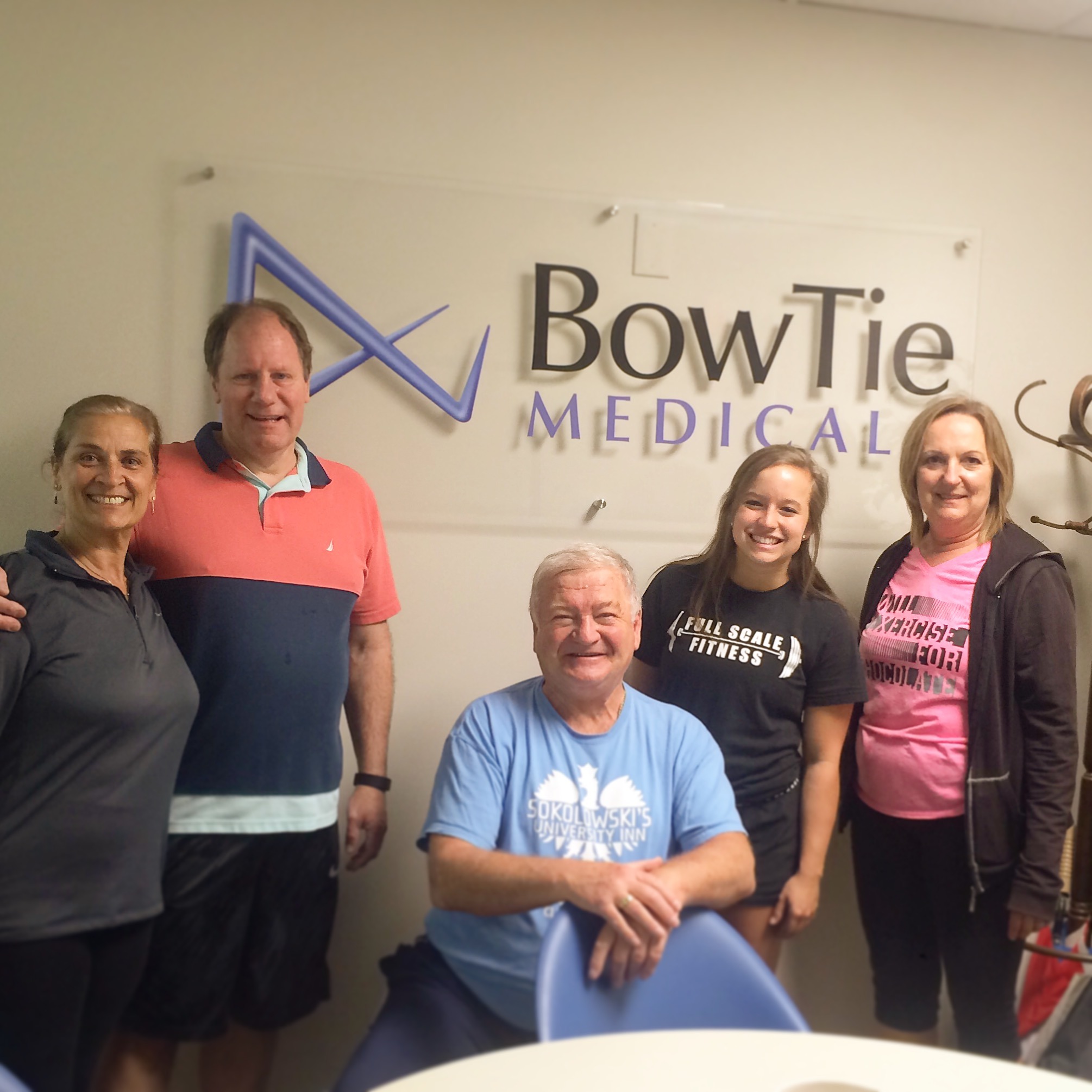
Full Scale Fitness leading an on-site group training class for employees at BowTie Medical in Akron, Ohio.
At Full Scale Fitness, our corporate wellness programs are built around that same principle: private and group on-site fitness sessions, corporate yoga, nutrition coaching, and health assessments delivered directly at your Akron or Canton office. We keep the format flexible on purpose — some clients start with a single weekly session for a small team, others build out a full multi-service calendar once they see engagement pick up. Either way, the program is designed to be something employees actually show up for, which is the part that determines whether the ROI conversation ever gets past year one.
How to Know If It’s Working
You don’t need a data team to track corporate wellness ROI. Four simple numbers tell most of the story:
- How many employees actually show up to sessions, month over month
- Whether sick-day trends move in the following two quarters
- Whether your health insurance renewal comes in flatter than the prior year
- What employees say when you ask them directly
A short quarterly survey — two or three questions — is usually enough to catch whether the program is landing or just running in the background.
Getting Started Without Overhauling Your Benefits Budget
You don’t need to commit to a full annual contract to test corporate wellness ROI for your team. Most employers start with one of the following:
- A single recurring on-site class (30–45 minutes, weekly or biweekly)
- A lunch-and-learn on nutrition or stress management
- A one-time health assessment day to gauge interest before scaling up
Track participation for 90 days, ask employees directly what they’d use more of, and expand from there. That’s the version of ROI you can actually see, quarter by quarter, before you decide to grow the program.
Ready to See What Corporate Wellness ROI Looks Like for Your Team?
If you’re an Akron or Canton employer ready to explore a program built around your team’s schedule and budget, get in touch for a free consultation.
We’ll walk through what a realistic program looks like for your headcount and where the return is likely to show up first.